The No-Show Economy: $150 Billion in Empty Chairs
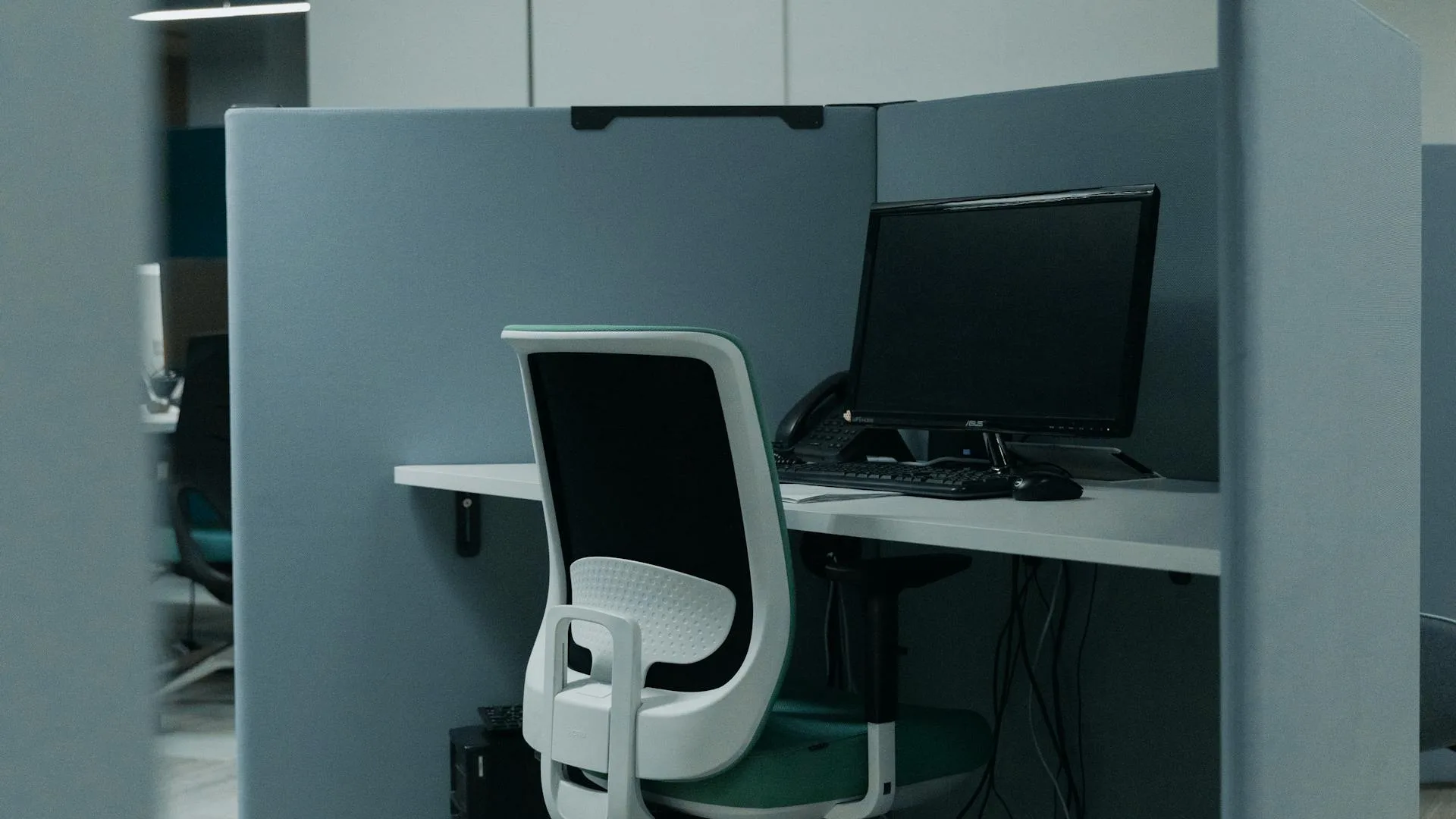
$150 billion. That's what the U.S. loses every year to appointment no-shows. Not theft. Not fraud. Just people who said "yes, I'll be there" and then... weren't.
If you run a service business, you already know this pain. Plumbing, dental, real estate, consulting. That 2pm slot that went dark. The crew that drove 40 minutes to an empty house.
But here's what most people get wrong: they treat no-shows as a character flaw. "People are flaky." "Nobody respects your time anymore." Turns out, it's not about respect.
It's about systems.
The Numbers Are Worse Than You Think
A meta-analysis of 105 studies found the average no-show rate across industries is 23%. Nearly one in four appointments. Hair salons hit 15%. Medical practices, 18%. Fitness trainers, 20%. Dental offices, 12%. And these are averages — some businesses report rates north of 40%.
For a solo practitioner, that translates to $80,000 to $200,000 in lost revenue per year. Each empty slot costs roughly $200 when you factor in staff time, overhead, and the person who could've filled it.
I ran this math three times because I didn't believe it. A salon: 25 appointments per week, $65 average, 15% no-show rate. $31,187 gone. Every year. That's a second employee. That's a vacation you actually take.
Why People Ghost (It's Not What You Think)
The knee-jerk explanation is that people are rude. And sure, some are. But research tells a different story. The biggest reasons for no-shows are forgetting (47%), scheduling conflicts that came up later (28%), and anxiety or uncertainty about the appointment (15%).
Notice something? Two of those three are fixable with a text message.
A text message.
This is the DeLorean moment for service businesses. The fix isn't science fiction. It's the rectangle in your customer's pocket that they check 96 times a day.
The Text Message That's Worth $150 Billion
Here's the stat that should make every business owner put down whatever they're doing: SMS appointment reminders reduce no-shows by 38-50%. Some practices using smart confirmation sequences — a reminder 24 hours before, a confirmation request 2 hours before — have pushed no-show rates below 5%.
Why texting? 98% of texts get opened. Email? 20%. And 67% of people prefer text reminders over every other channel. When was the last time you listened to a voicemail? Exactly.
But here's the part most "just send a reminder" advice misses: the reminder isn't enough. What works is a two-way conversation. A text that says "Reply C to confirm or R to reschedule." That one extra step — giving people an easy out — drops no-shows off a cliff.
The businesses crushing their no-show problem aren't the ones sending more reminders. They're the ones making it stupidly easy to reschedule.
The Rescheduling Paradox
Most businesses treat cancellations like losses. They're not. A cancellation 24 hours out is a gift — it's a slot you can fill. A no-show is the loss. The goal isn't to prevent people from canceling. It's to prevent them from ghosting.
When you make rescheduling frictionless — reply to a text, tap a link, done in 10 seconds — two things happen. First, people who would've ghosted actually tell you they can't make it. Second, a surprising number rebook immediately. You don't lose the customer. You just shift the timing.
They confirm. They remind. They make the exit door obvious. Fewer people walk through it.
What This Costs vs. What It Saves
Let's do the uncomfortable math. A decent appointment reminder system costs somewhere between $50-200/month. The salon losing $31,000/year to no-shows? Even cutting that loss in half pays for the system 7x over. For medical practices losing $150,000 annually, the ROI is almost embarrassing to calculate.
89% of consumers now expect texts from businesses. That's from the 2026 Consumer Texting Behavior Report. And most service businesses are still leaving voicemails. Into the void. Where voicemails go to die.
The no-show problem isn't a people problem. It's a communication problem. The fix has been in everyone's pocket for twenty years. Your call.
Sources
- Etisia, "Appointment No-Show Statistics 2026: Industry Data & Benchmarks" — 23% average no-show rate across 105 studies
- AgentZap, "Appointment No-Show Statistics 2026" — $150B annual cost, $200/slot average loss
- Klara, "Text appointment reminders reduce no-shows by 38%" — SMS reminder effectiveness study
- PRNewswire/Podium, "2026 Consumer Texting Behavior Report" — 89% expect business texts, 98% SMS open rate

25 years in tech. Serial entrepreneur. Writes about what actually works in sales and lead management.
Put your pipeline on Autopilot
Talk with our team. See how SalesPartner handles your leads.
Book Intro Call